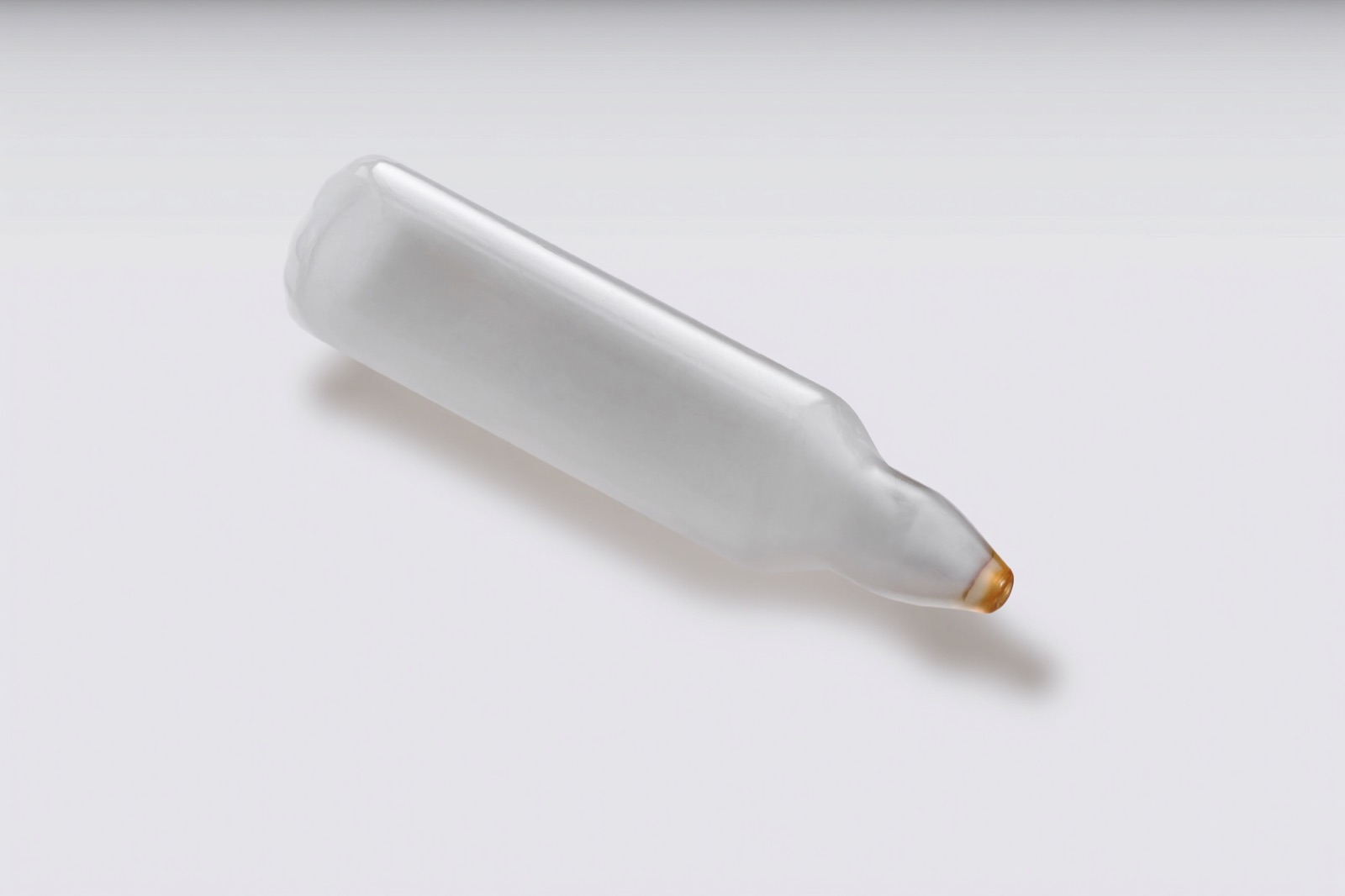
- Fake pens seized: The MHRA seized 369 potentially fake Ozempic pens between January and October 2023, alongside reports of fake Saxenda pens.
- Some contained insulin: Of the Yellow Card reports investigated, five confirmed pens were falsified with insulin rather than semaglutide — causing hypoglycaemic shock, and in reported cases, coma.
- Illicit UK factory: In October 2025 the MHRA seized 2,000+ pens of unlicensed tirzepatide and retatrutide plus tens of thousands of empty pens — called the largest single seizure of trafficked weight-loss medicines worldwide.
- Retatrutide is not licensed anywhere: It remains in Phase 3 trials and cannot be legally prescribed or sold outside a clinical study — any “retatrutide” on sale is by definition unlicensed.
- The one rule: Only get GLP-1 medicines on prescription from a UK-registered pharmacy. Never buy from social media, unregulated websites, or “peptide” sellers.
What “compounded” and “unlicensed” actually mean
The licensed weight-loss and diabetes injections you may have heard of — Wegovy and Ozempic (semaglutide), Mounjaro (tirzepatide) and Saxenda (liraglutide) — are made by their manufacturers to a single, tightly controlled specification, tested batch by batch, and approved by the UK's medicines regulator, the MHRA. That approval is what the word “licensed” means: the exact molecule, dose, purity and device have all been assessed for quality, safety and efficacy.
Everything else on the market is unlicensed, and carries extra risk because it has not been through that assessment. This includes several different things people often lump together:
- “Compounded” jabs — versions custom-mixed by a pharmacy or lab from raw active ingredient, often marketed as a cheaper alternative when the branded product is expensive or in short supply. Compounding of GLP-1 medicines is not a licensed route in the UK, and the finished product is not quality-assured in the way a licensed medicine is.
- Falsified (fake) pens — counterfeits made to look like Ozempic, Wegovy or Saxenda but containing an unknown substance. As below, some UK seizures contained insulin.
- “Research peptides” — vials of powder or liquid sold online as tirzepatide, retatrutide or semaglutide “for research use only”, with no pharmaceutical oversight of what is in them or at what strength.
- Drugs still in clinical trials — such as retatrutide, which is licensed nowhere in the world and cannot legally be prescribed or sold outside a trial.
The fake pens that contained insulin
This is not hypothetical. On 26 October 2023, the MHRA issued a public warning after fake weight-loss pens reached members of the public through non-legitimate routes — that is, any route not requiring a prescription from a qualified prescriber. Between January and October 2023 the agency had seized 369 potentially fake Ozempic pens, and had also received reports of fake Saxenda pens.
The most alarming finding came from the reports investigated through the Yellow Card scheme. A “very small number” of people were hospitalised after using the fake pens, with serious adverse reactions including hypoglycaemic shock and coma. In the MHRA's own words, those side effects “indicate that the pens may contain insulin rather than semaglutide.” In five of the reports, testing confirmed the Ozempic and Saxenda pens had indeed been falsified with insulin.
The clinical logic is grim but important to understand: semaglutide lowers blood sugar gently and rarely causes dangerous hypos on its own. Insulin injected by someone who does not need it, at an unknown dose, can drop blood sugar catastrophically fast — leading to confusion, seizures, coma and, without rapid treatment, death. Someone injecting what they believe is a weight-loss medicine would have no reason to expect it, and no glucose tablets or supervision on hand.
The illicit factory the MHRA shut down in 2025
The fake-pen problem is not confined to imports. In October 2025, the MHRA's Criminal Enforcement Unit dismantled an illicit manufacturing operation in a warehouse in Northampton. Officers seized:
- More than 2,000 filled pens containing unlicensed tirzepatide and retatrutide, ready for shipping;
- Tens of thousands of empty injection pens waiting to be filled;
- Raw chemical ingredients, manufacturing and packing equipment, and cash.
The MHRA described it as the largest single seizure of trafficked weight-loss medicines worldwide. It is a vivid picture of how these products are really made: not in a regulated pharmaceutical plant, but in a warehouse, filling pens by hand with raw chemicals of unknown origin and purity. Whatever the label said, there was no batch testing, no sterility assurance and no guarantee that the dose in one pen matched the next.
Why people are tempted — and the honest trade-off
We won't pretend the temptation isn't understandable. Licensed GLP-1 medicines can be expensive privately, NHS access is tightly rationed and phased, and periods of genuine shortage have pushed people to look elsewhere. A cheaper “compounded” vial or an online “peptide” can look like a practical shortcut.
But the trade-off is not price versus inconvenience — it is price versus not knowing what is in the syringe. With an unlicensed product you have no assurance of:
- Identity — whether it is the drug claimed at all (some fakes contained insulin);
- Dose accuracy — whether each pen delivers the strength stated, or something much higher or lower;
- Purity and sterility — whether it is contaminated, which matters enormously for something injected under the skin;
- Recourse — if something goes wrong, there is no manufacturer, no pharmacist and no regulator accountable, and your GP may not even know what you took.
Deliberately, this guide gives no dosing information for any unlicensed product, because there is no safe dose of a medicine whose contents cannot be verified. If cost or supply is the barrier, the answer is a conversation with a clinician about licensed options — not a gamble on the grey market.
How to get a GLP-1 medicine safely in the UK
- Go through a prescriber. Wegovy, Ozempic, Mounjaro and Saxenda are prescription-only. A legitimate route means your GP, a specialist weight-management service, or a UK-registered pharmacy (including registered online pharmacies) that requires a proper consultation and prescription.
- Check the registration. A legitimate UK online pharmacy is registered with the General Pharmaceutical Council (GPhC), and its prescriber with the relevant professional register. If a site sells prescription injections with no consultation, walk away.
- Never buy from social media, marketplaces or “peptide” sellers. If it is offered without a prescription, it is not a legitimate supply — and that is precisely where the fake and insulin-filled pens came from.
- Be sceptical of “compounded” bargains. A price far below the licensed product, or a “custom-mixed” version, is a red flag, not a deal.
- If you already bought online, don't just carry on. Speak to a pharmacist or GP before using it, and report suspect products or side effects to the MHRA Yellow Card scheme — this is how these dangers get spotted.
For a general overview of the licensed medicine, the NHS page on semaglutide is a good starting point, and you can report a fake or falsified medicine directly to the MHRA. If you are unsure or unwell, speak to your pharmacist or GP, or call NHS 111.
Track supply of the licensed medicines
Genuine shortages are one of the pressures that push people towards unsafe alternatives, so it helps to know the real supply picture. MediWatch monitors official UK supply signals for these products — check the live pages for semaglutide, Ozempic, Wegovy and Mounjaro.
Related reading
Mounjaro (tirzepatide): availability & NHS rollout
Supply, price and the phased NHS route for the licensed product.
Wegovy, Ozempic & semaglutide in the UK
Availability, the different brands and how NHS and private access work.
Do GLP-1 drugs cause muscle loss?
What the trials show about lean mass on licensed medicines.
Orforglipron: the oral GLP-1
Where the first daily-pill GLP-1 stands for UK availability.
Get told the moment your medicine's supply changes
MediWatch checks official DHSC and NHS data daily and alerts you if your medication is affected.
Search shortages free →Official & primary sources: MHRA: warns of unsafe fake weight-loss pens (26 Oct 2023) · Pharmaceutical Journal: fake pens falsified with insulin in five Yellow Card reports · MHRA Northampton seizure of unlicensed tirzepatide & retatrutide (Oct 2025) · NHS: semaglutide · General Pharmaceutical Council · MHRA Yellow Card scheme
MediWatch is not medical advice. Always follow your prescription label and ask a pharmacist, GP, specialist, NHS 111, or emergency services (999) if you are unsure or unwell. Data checked daily against official sources. MediWatch is an independent service and is not affiliated with the NHS.